

The Case
Did Jesus Rise from the Dead?
If Christianity is a building, the Resurrection is the foundation.
If Jesus didn’t rise from the dead, the whole thing falls apart. But if He did, it changes everything.
The 6 Facts Even Skeptics Accept
-
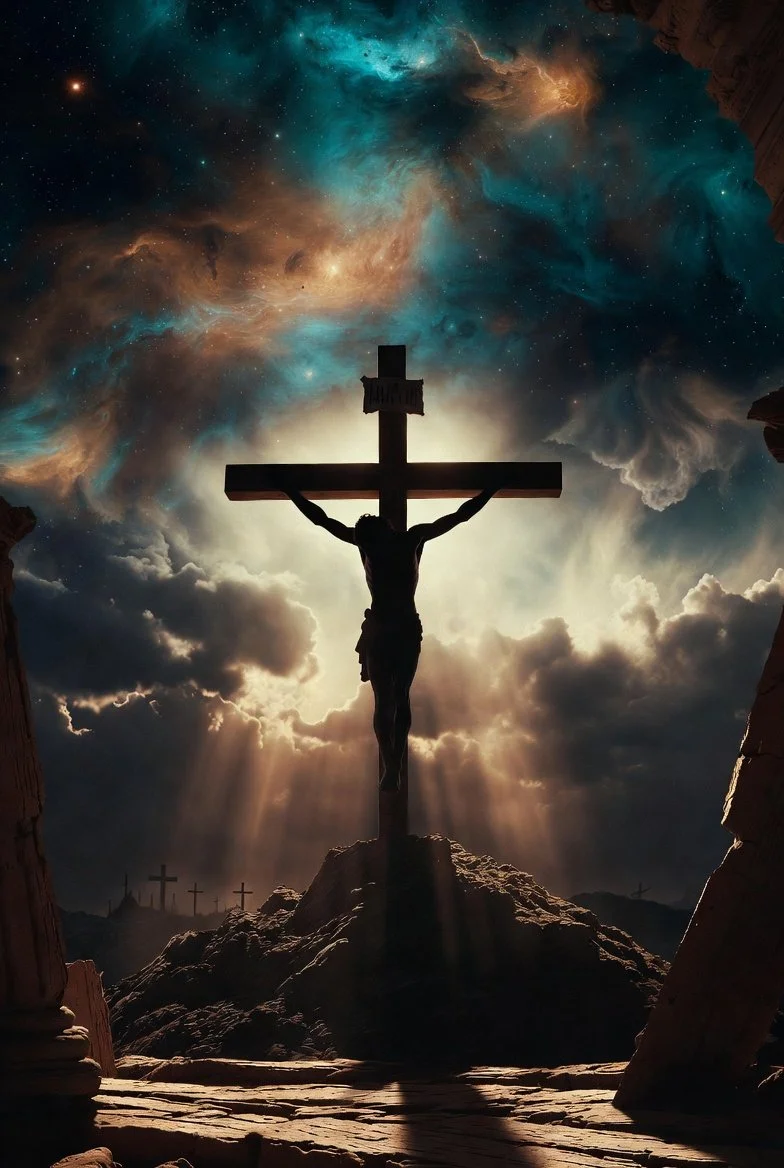
1. Jesus Died by Crucifixion
It starts with a death, not a miracle.
Jesus was executed by Roman crucifixion. It’s recorded in all four Gospels and confirmed by non-Christian writers like the Jewish historian Josephus and the Roman historian Tacitus. Even scholars who doubt everything else treat this as about as certain as ancient history gets.
-
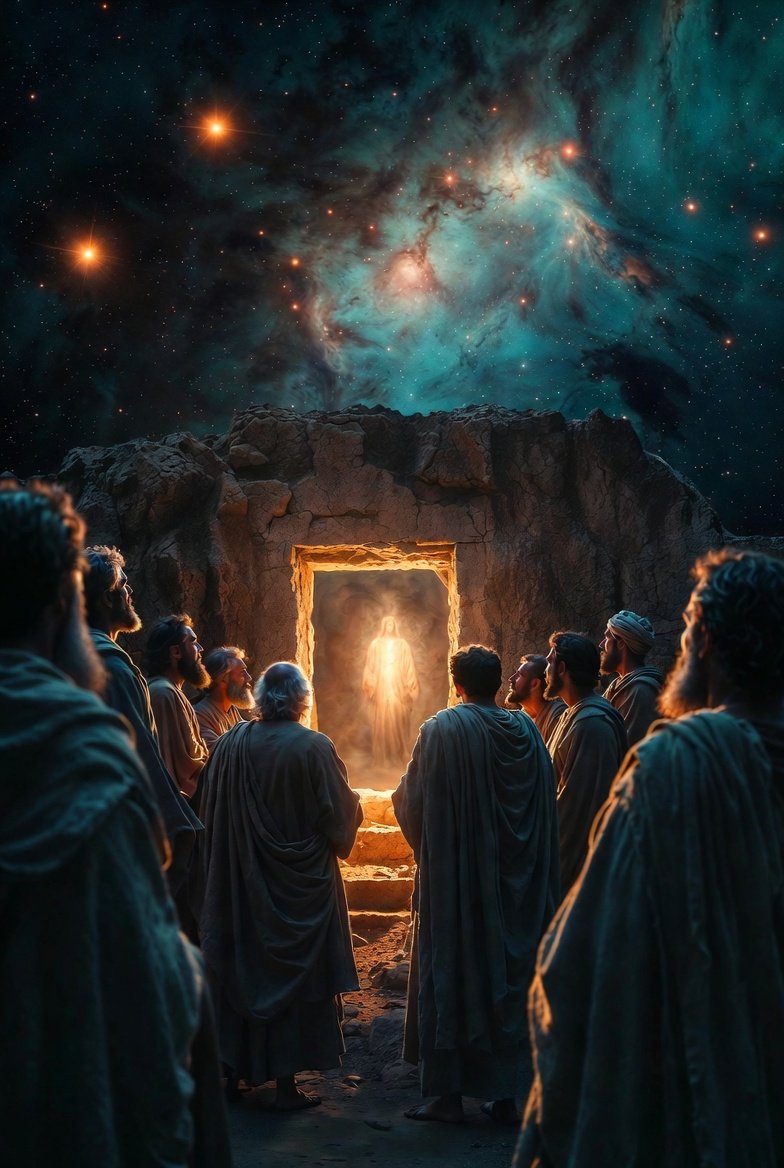
2. The Disciples Believed They Saw Him Alive
Something convinced them — completely.
Soon after the crucifixion, Jesus’s followers were utterly convinced they had seen him alive again. Even skeptical historians grant this much; the only argument is over what caused the experiences, not whether the disciples truly believed they happened.
-
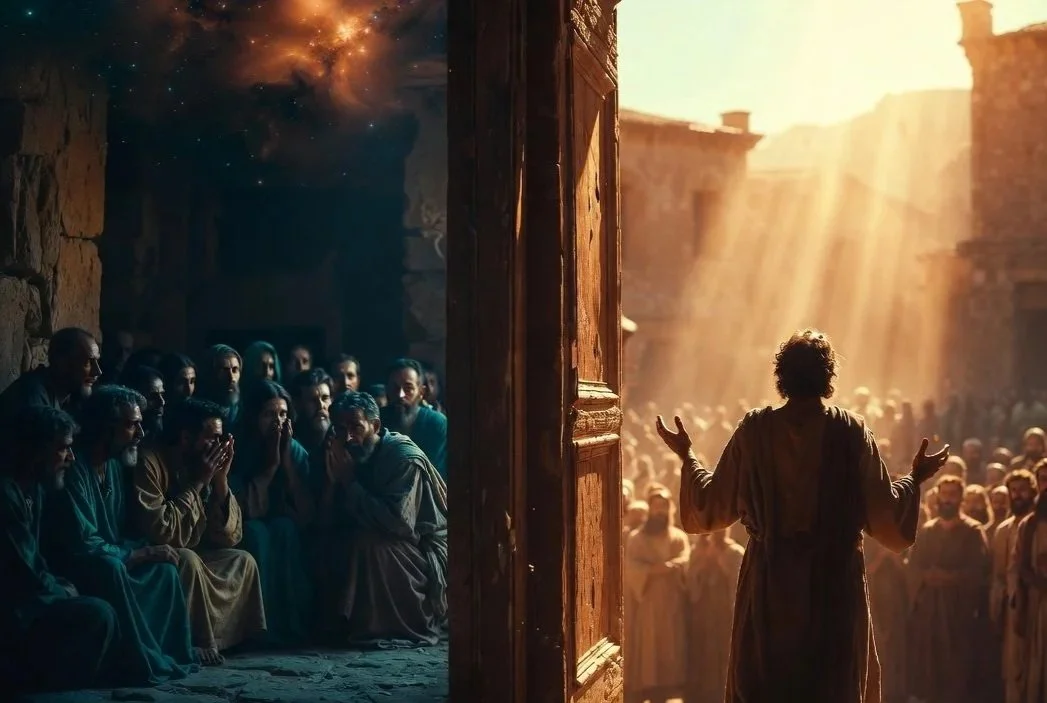
3. Lives Were Completely Transformed
They bet their lives on it.
These weren’t people passing along a story they’d heard. They were eyewitnesses who suffered and died rather than take it back. People will die for something they believe is true. Almost no one dies for something they know is a lie.
-
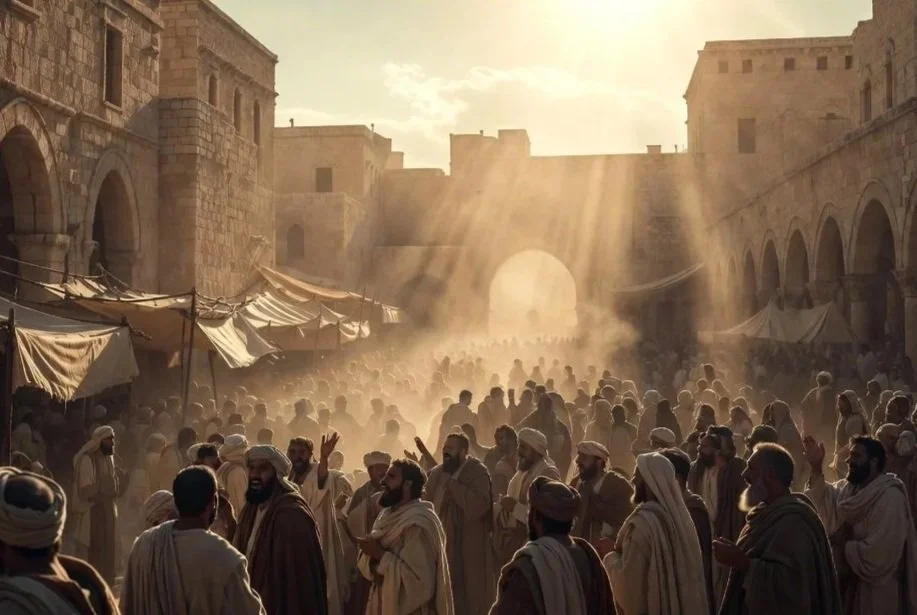
4. The News Spread Almost Immediately
Too fast to be a legend.
The core claim — that Jesus died and rose — was being proclaimed within just a few years of the events, possibly months. Historians can point to an early summary of the belief built into Paul’s letters that predates the letters themselves. That’s nowhere near enough time for legend to crowd out the facts.
-
5. The Enemy Switched Sides
His fiercest opponent became his loudest voice.
Paul wasn’t a follower — he was hunting Christians down. Then, by his own account, he met the risen Jesus, and the persecutor became the movement’s most tireless missionary. He was beaten, jailed, and finally executed for the message he once tried to destroy.
-
6. The Skeptical Brother Believed
Even his own family didn’t buy it — at first.
Jesus’s brother James didn’t believe during Jesus’s lifetime. After the crucifixion, something changed: James became a leader of the church in Jerusalem and was eventually killed for that faith. It’s hard to invent a more reluctant witness than your own skeptical brother.
How Historians Know
Why those six and not others? Because they don't rest on faith — they rest on evidence. Historians use a handful of tests to weigh how trustworthy an old claim is, and these six pass them. No history degree required — here they are in plain English.
Multiple Sources — If one person reports something, it’s a maybe. When several people who weren’t comparing notes report the same thing, it’s almost certainly true. Every extra independent source raises the odds.
The Embarrassment Test — People don’t invent details that make themselves or their heroes look bad. So when the accounts admit awkward things — the leaders panicking and running, women being the first witnesses at a time when their testimony was legally discounted — historians read that as honest reporting. You only keep the embarrassing parts because they’re true.
The Enemy Test — When someone with every reason to deny a claim admits it anyway, that admission counts double. If your opponents concede a point that hurts their own side, it’s usually because they couldn’t get around it.
Early Reports and Creeds — The closer a report sits to the event, the less time legend has to grow. Some of this material dates to within a few years — even months — of the crucifixion. A “creed” was a short, memorized summary people recited out loud and passed along before anyone wrote the books that later quoted it. That makes the belief older than the documents themselves.
Eyewitness Testimony — Some accounts come from people who were there. Others come from people who personally knew the eyewitnesses — the difference between “I saw it” and “I heard it straight from the man who did.” Both beat a story whispered down through anonymous generations.
Different Kinds of Sources — The evidence doesn’t sit in one kind of document. It shows up in personal letters, public sermons, memorized creeds, and narrative accounts. A fact woven through that many types of source is very hard to pin on a single inventor.
The Distinctiveness Test — A detail is more believable when it doesn’t just echo what the surrounding culture already expected or would have made up. When the accounts contain things that cut against both Jewish expectations and the early church’s own preferences, nobody had a motive to fabricate them.
Aramaic Fingerprints — Jesus and his first followers spoke Aramaic in Judea, but the New Testament was written in Greek. When Aramaic words and Jewish speech patterns survive inside that Greek text, it’s a fingerprint: the material traces back to the very first community, not a later invention far away.
Coherence — The facts aren’t a random pile; they lock together into one consistent picture. When separate pieces of evidence point the same direction and explain each other, the whole case is stronger than any single piece.
The Best Explanation
When multiple independent lines of evidence — from different kinds of sources, passing multiple historical tests — all point in the same direction, the most reasonable conclusion is that the resurrection of Jesus actually happened.
Don’t Take Our Word For It
The strongest evidence isn’t from the people who believe. It’s from the people who don’t — and still can’t deny the facts.
The historians below are not pastors or apologists. Most reject the Christian conclusion outright. They have every reason to debunk this story — and they grant the core facts anyway. When a hostile witness admits something that hurts their own side, you can trust it. They’re not being generous. They just can’t get around the evidence.
A leading Jewish scholar who did not accept Jesus as the Messiah. Weighing the evidence strictly as a historian, he concluded the empty tomb is a genuine historical fact that resists easy explanation.
The only conclusion left to the historian: “not a body, but an empty tomb.”
Source: Geza Vermes, Jesus the Jew: A Historian’s Reading of the Gospels (London: Collins, 1973), p. 41.
A prominent historian who does not believe Jesus rose. She still holds that the disciples’ conviction they had seen him is bedrock history — the starting point any honest account has to explain.
As a historian, “they must have seen something.”
Source: Paula Fredriksen, interview in The Search for Jesus, ABC, 2000; transcribed in Habermas & Licona, The Case for the Resurrection of Jesus (Kregel, 2004), p. 60.
One of the most influential scholars in the field. He placed the disciples’ experiences of the risen Jesus among the facts he considered essentially beyond dispute — while openly admitting he couldn’t explain what caused them.
Of the cause, “I do not know.”
Source: E. P. Sanders, The Historical Figure of Jesus (London: Penguin, 1993), pp. 279–280.
An atheist who spent his career arguing against the resurrection. He still granted that the crucifixion is among the surest facts in history, and that it is historically certain the disciples had experiences of Jesus appearing to them. He blamed hallucination — but notice everything he conceded first.
It is “historically certain” the disciples had such experiences.
Source: Gerd Lüdemann, What Really Happened to Jesus: A Historical Approach to the Resurrection, trans. John Bowden (Louisville: Westminster John Knox, 1995), p. 80.
About as far from a traditional believer as the field gets — he has even suggested Jesus’s body may have been left for scavengers. Yet he affirms the crucifixion as historically certain and grants that the followers had real experiences afterward.
The crucifixion is “as certain as any historical fact can be.”
Source: John Dominic Crossan, Jesus: A Revolutionary Biography (San Francisco: HarperSanFrancisco, 1994), p. 145.
A world-class historian who traced the earliest summary of resurrection belief to within just a few years — likely months — of the crucifixion. Far too little time for legend to take over.
The tradition formed “within months of Jesus’ death.”
Source: James D. G. Dunn, Jesus Remembered: Christianity in the Making, vol. 1 (Grand Rapids: Eerdmans, 2003), p. 855.
The Takeaway
A Jewish Dead Sea Scrolls expert, an atheist professor, and a founder of the most skeptical group in the field all stood on the same set of facts. They argue fiercely about how to explain the evidence. They do not argue about whether it exists. And once the facts are settled, only one question is left — the one this whole site is about: what is the best explanation?
But Couldn’t There Be Another Explanation?
A fair question — and the right one. When you’ve got facts, you should test every explanation, not just the one you like. Here are the usual alternatives, and why historians have set them aside.
“They were hallucinating.”
Hallucinations are private, like dreams — two people don’t share the exact same one. Yet the appearances were to groups, on different days, in different places, even to a hostile skeptic who wasn’t looking for one. A shared, repeatable hallucination isn’t a thing.
“Someone stole the body.”
This was the earliest counter-claim, and it has a fatal flaw: it requires the disciples to know the resurrection was a hoax — and then suffer and die defending it anyway. People don’t martyr themselves for what they know they faked.
“It grew into a legend over time.”
Legends need time. But this claim was public, specific, and circulating within a few years of the events, in the same city where Jesus was executed — where hostile eyewitnesses could have shut it down on the spot. The timeline is far too tight.
“He never really died.”
This asks us to believe a man scourged and crucified by Roman professionals, then sealed in a tomb, revived on his own, escaped, and convinced his followers he’d conquered death — rather than looking like a man who’d barely survived. Even the skeptics reject this one.
Notice what every alternative has to do: explain away the facts one at a time.
The resurrection explains all of them at once.

Did Jesus Rise from the Dead?
The Best Explanation
The most logical conclusion that fits every single one of these historical anchors is that Jesus actually rose from the dead.
When an atheist scholar, a Jewish historian, and a Christian expert all agree on the same set of facts, it isn't just a "religious story" anymore—it is a historical reality.